
Case Report
October 2026, 35:3
First online: October 2026
Case Report
Transcatheter Closure of Paravalvular Leak Using a Dedicated Occluder Device: Our Initial Experience with Occlutech PLD Occluder in a Complex Redo-Aortic Patient
K.C. Ng,1 L. S Chen,1 K.T. Lee,1 A.W. Mohamed Jahangir,1 J.Mohammad Tamim 2
2 Department of Paediatric Cardiology, Penang General Hospital, Malaysia
Main Author: Ng Kai Choon, tim_ngkcme@hotmail.com

ABSTRACT
BACKGROUNDParavalvular leak (PVL) following surgical aortic valve replacement is associated with significant morbidity, including heart failure and transfusion-dependent haemolytic anaemia. Transcatheter device closure, in contrast to surgical treatment, is a well-recognized treatment option due to its safer complication and mortality profiles. However, regional data and local experience showed that most PVL closures were done using non-dedicated devices which are not purposefully engineered to meet its specific pathology and anatomical complexity. OBJECTIVE
To evaluate the feasibility and demonstrate procedural outcome using the Occlutech PLD Occluder device, a dedicated PVL closure device. CASE SUMMARY
A 52-year-old man with prior Stanford type A aortic dissection repair, and redo aortic arch replacement with bioprosthetic aortic valve replacement, presented with progressive dyspnoea and transfusion-dependent haemolytic anaemia. Echocardiography confirmed the presence of PVL which was successfully closed with transcatheter strategy, using an Occlutech PLD 61PLD8W Occluder. RESULTS
The Occlutech PLD Occluder device was successfully deployed with satisfactory results leading to significant improvement in patient’s symptoms. CONCLUSION
The usage of a dedicated PVL closure device yielded positive outcome in our early experience, and supports broader availability and further evaluation of dedicated PVL closure devices in this setting.1 Keywords
aortic PVL, PVL occluder device, valve-related haemolytic anaemia
1 INTRODUCTION
Paravalvular leak (PVL) is a recognized complication following surgical valve replacement, resulting from incomplete apposition or late dehiscence between the prosthetic sewing ring and native annular tissue. Its prevalence is estimated at around 7-17% in the mitral position, <5% in aortic cases.1 Clinical heart failure and haemolytic anaemia are the common indications for PVL closure, apart from anatomical considerations, for instance the defect size and location.2 Transcatheter device closure, in comparison to surgical treatment, offers lower peri-procedural complications, such as stroke and bleeding, as well as 30-day mortality.3
Local experience and regional data show that most PVL closures in this part of the world were performed using non-dedicated devices designed for other intentions, such as cardiac septal defects or shunt closures.4 Reporting on the immediate and long-term outcome using off-label devices has been inconsistent and lacking in most situations.
Amplatzer Vascular Plug III (AVP3) (Abbott Vascular) and Paravalvular Leak Device (PLD) (Occlutech) are the only licenced closure devices for PVL, with technical specifications designed for its purpose. However, none of these devices are to date registered in our local setting for ready clinical application.
We hereby report a case of mechanical haemolytic anaemia and heart failure, from an aortic bioprosthetic PVL, in a patient with multiple prior aortic root surgeries, using a dedicated PVL closure device, namely the Occlutech PLD Occluder, under special approval licence by the Malaysian Medical Device Authority (MDA).
2 METHODS
2.1 The patient
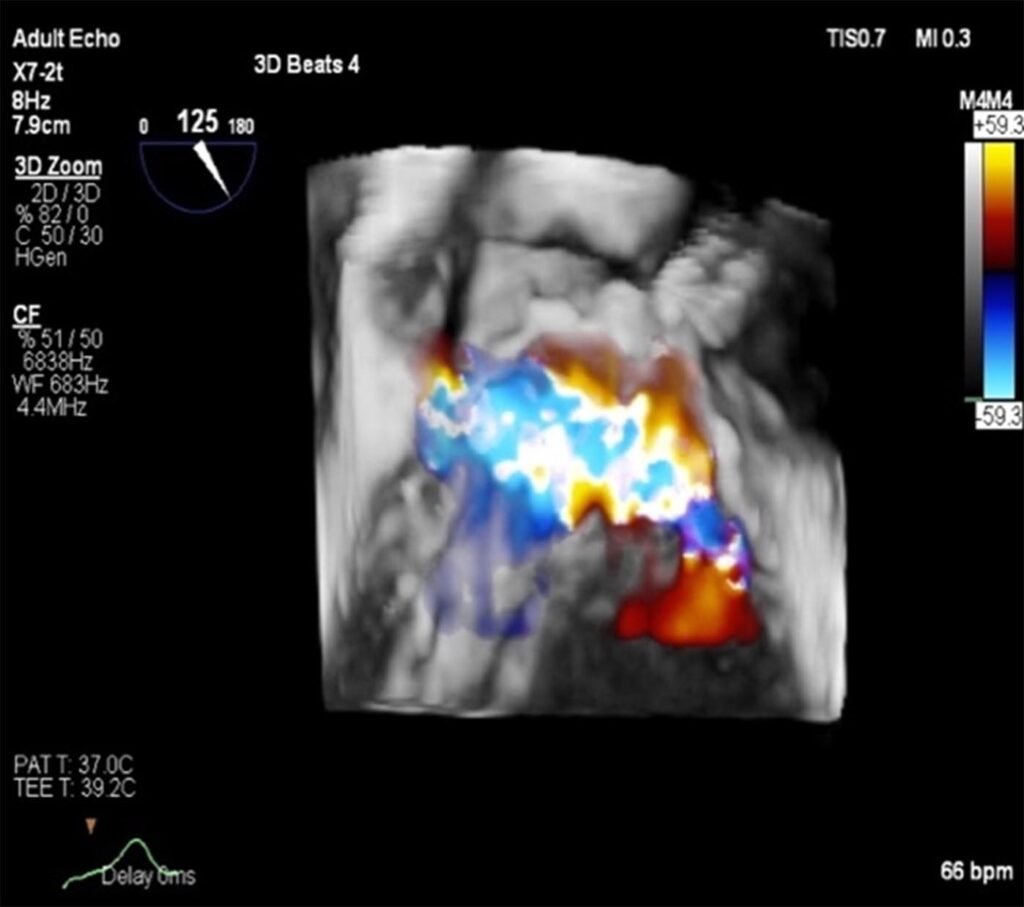
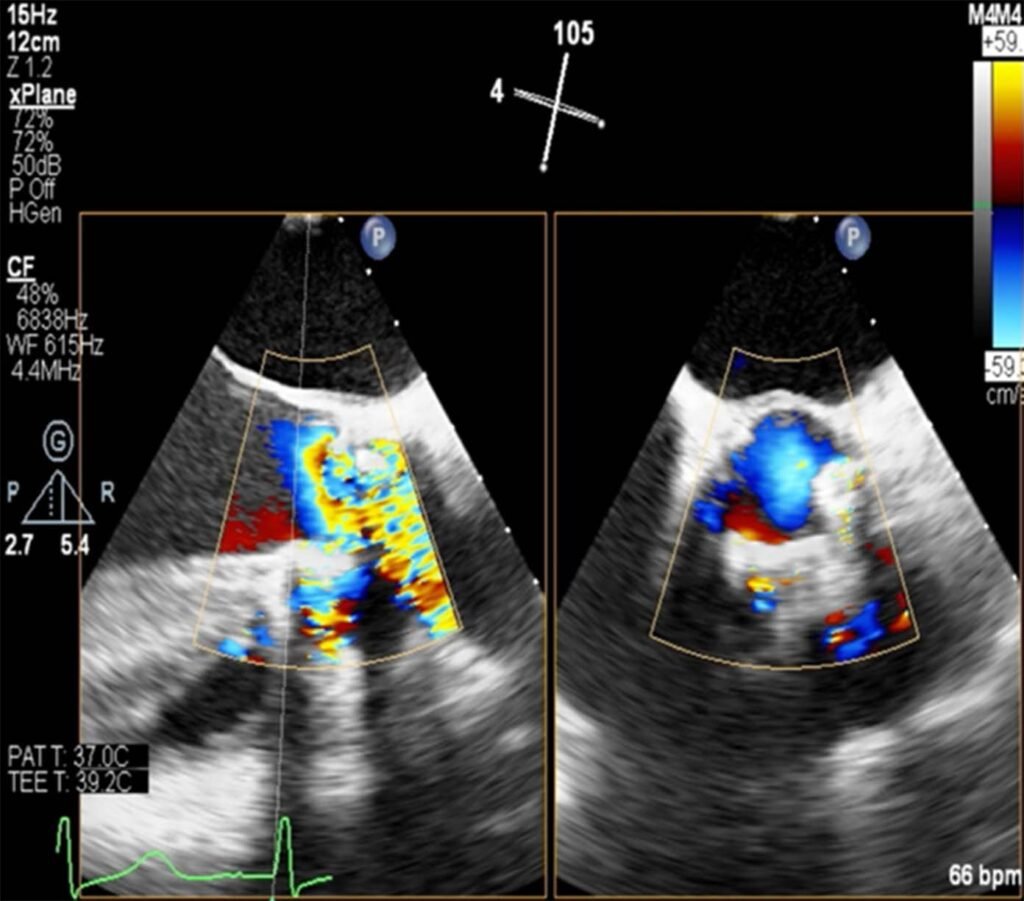
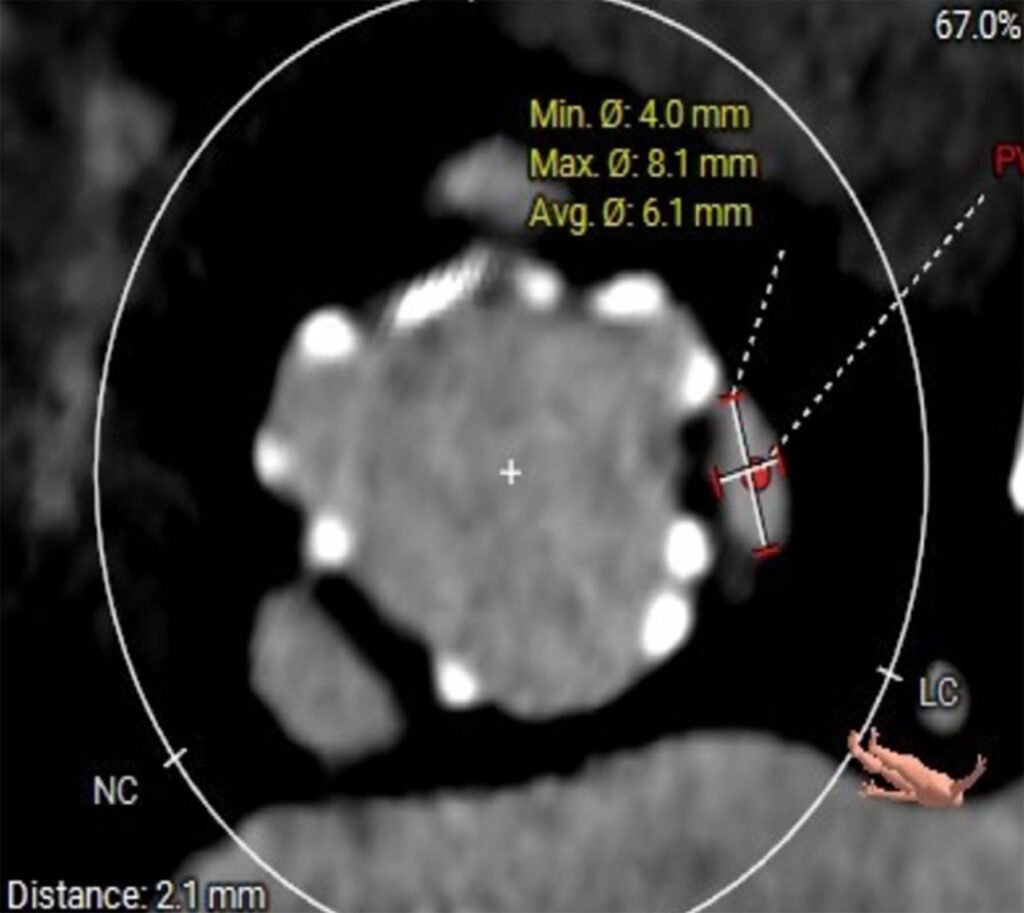
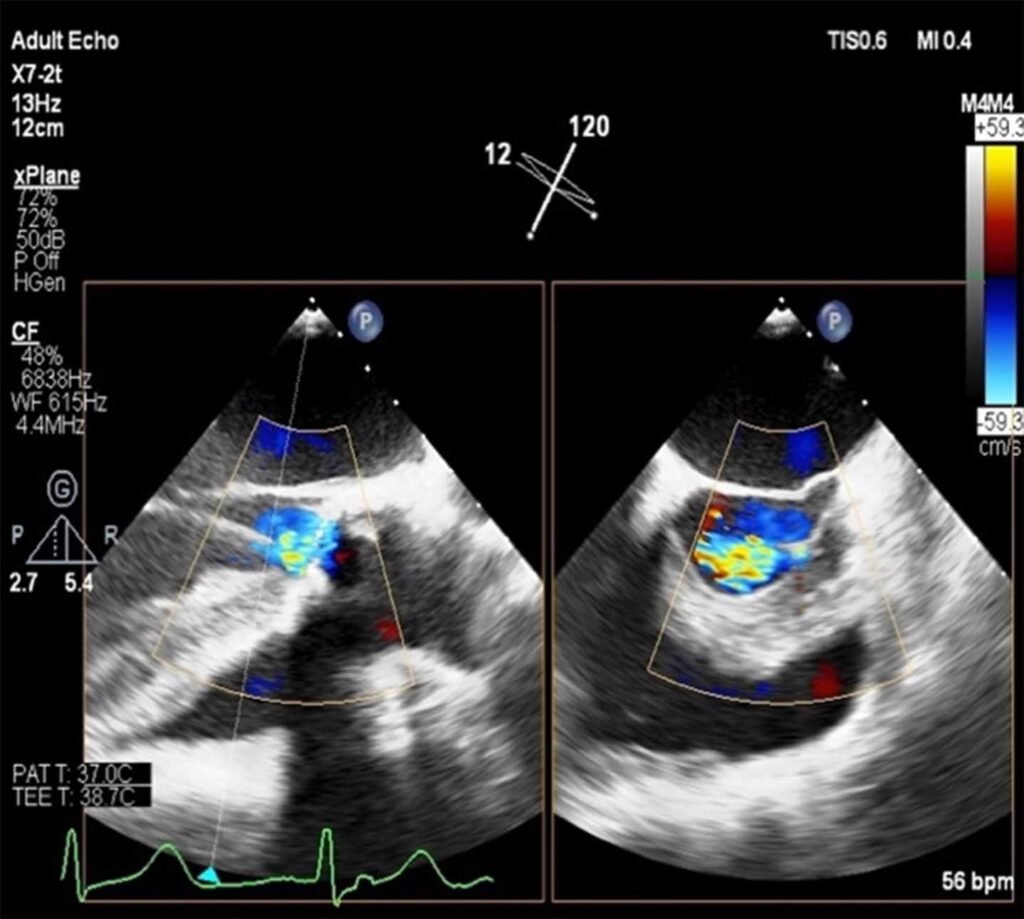
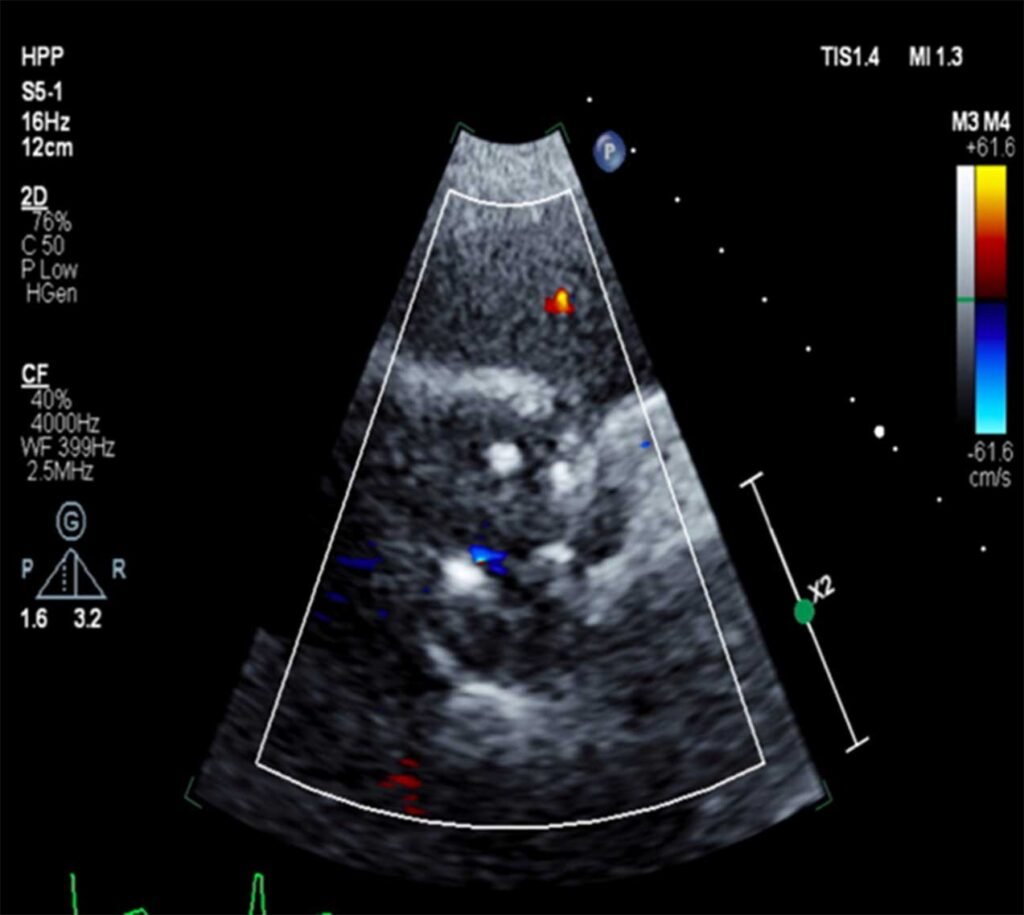
A 52-year-old man with a history of Stanford type A aortic dissection underwent surgical repair 10 years previously, followed by redo sternotomy with bioprosthetic aortic valve replacement and aortic arch replacement. He subsequently presented with symptomatic heart failure and transfusion-dependent haemolytic anaemia. Transthoracic and transoesophageal echocardiography demonstrated a left sided aortic paravalvular leak located immediately inferior to the left coronary cusp (Figures 2 and 3). Cardiac computed tomography (CT) estimated the defect size to be approximately 4 × 8 mm (Figure 5). Following multidisciplinary Heart Team discussion, transcatheter PVL closure was recommended.
2.2 The device and delivery system
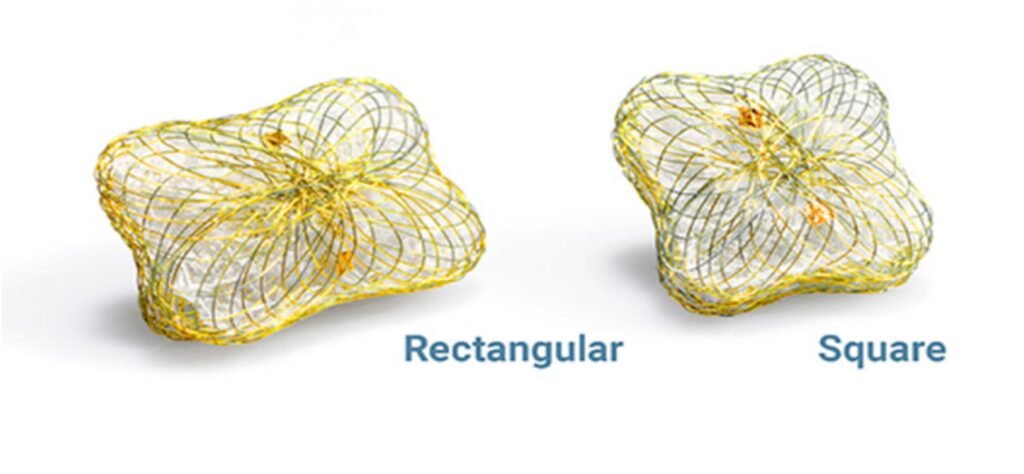
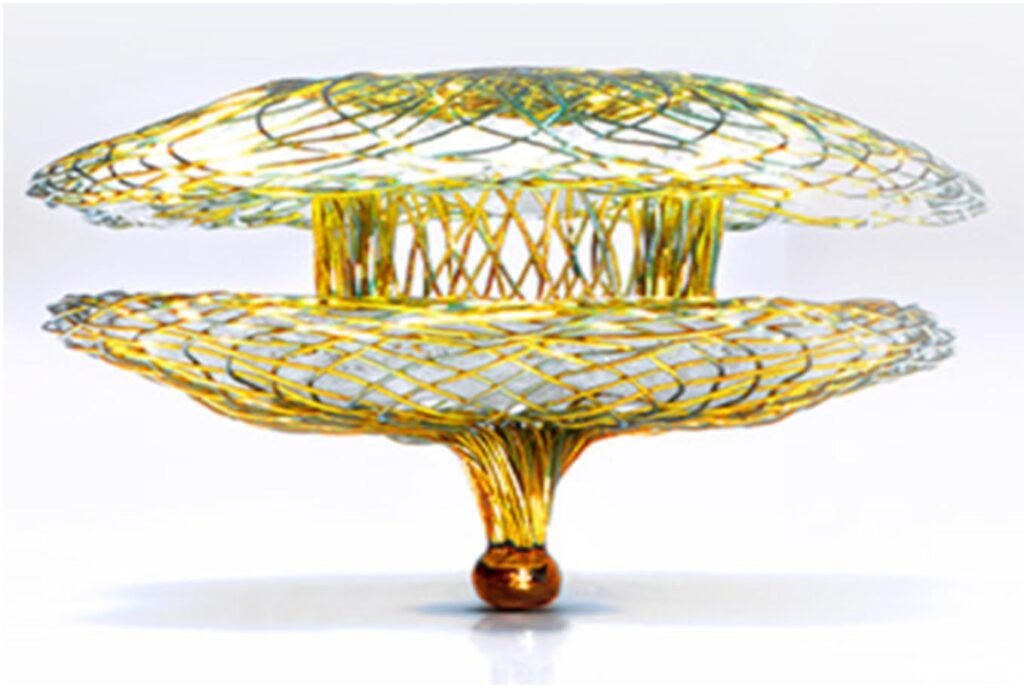
The Occlutech Paravalvular Leak Device (PLD) is a dedicated device for transcatheter closure of aortic and mitral paravalvular leaks. The device is a double-disc device made from nitinol braided wires with two Polyethylenterephthalat (PET) patches on each disc. Two radio-opaque markers are found along the central axis for orientation. The device is available in rectangular and square configurations, with waist options between narrow and wide (Figure 1). The delivery system ranges between 6-9 French depending on the device shape and size.
2.3 The technique
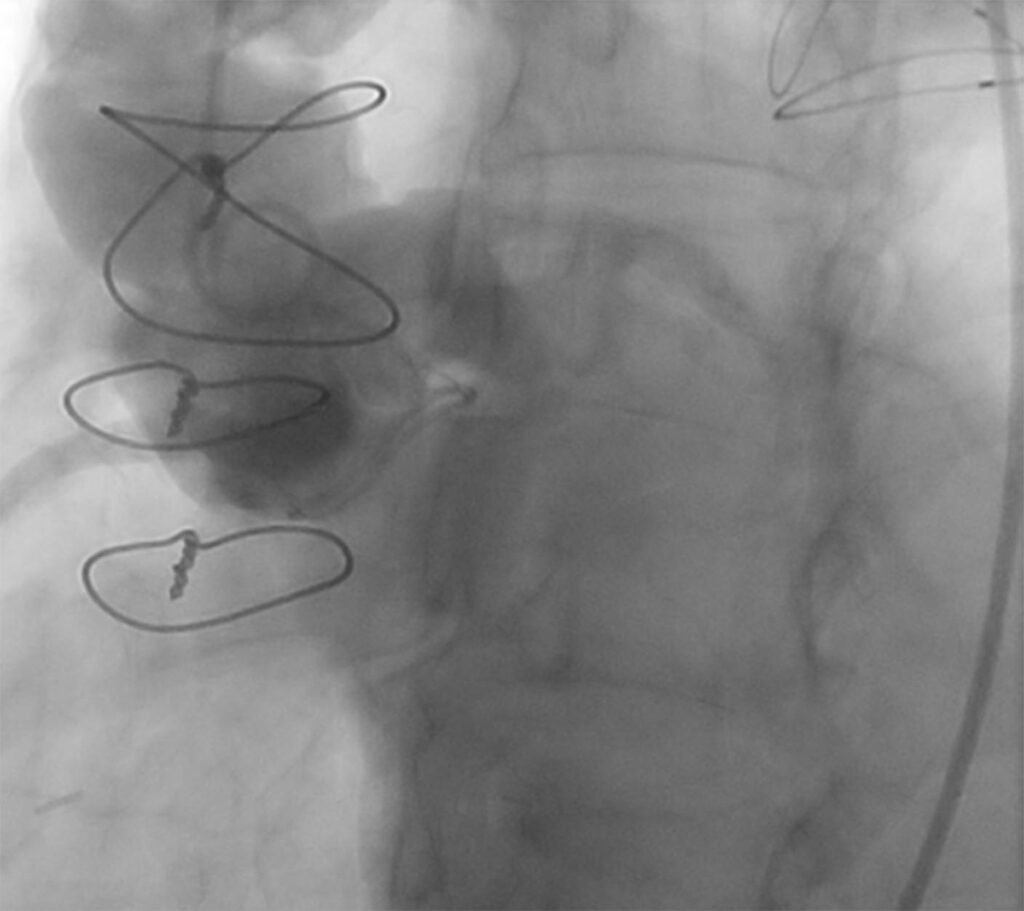
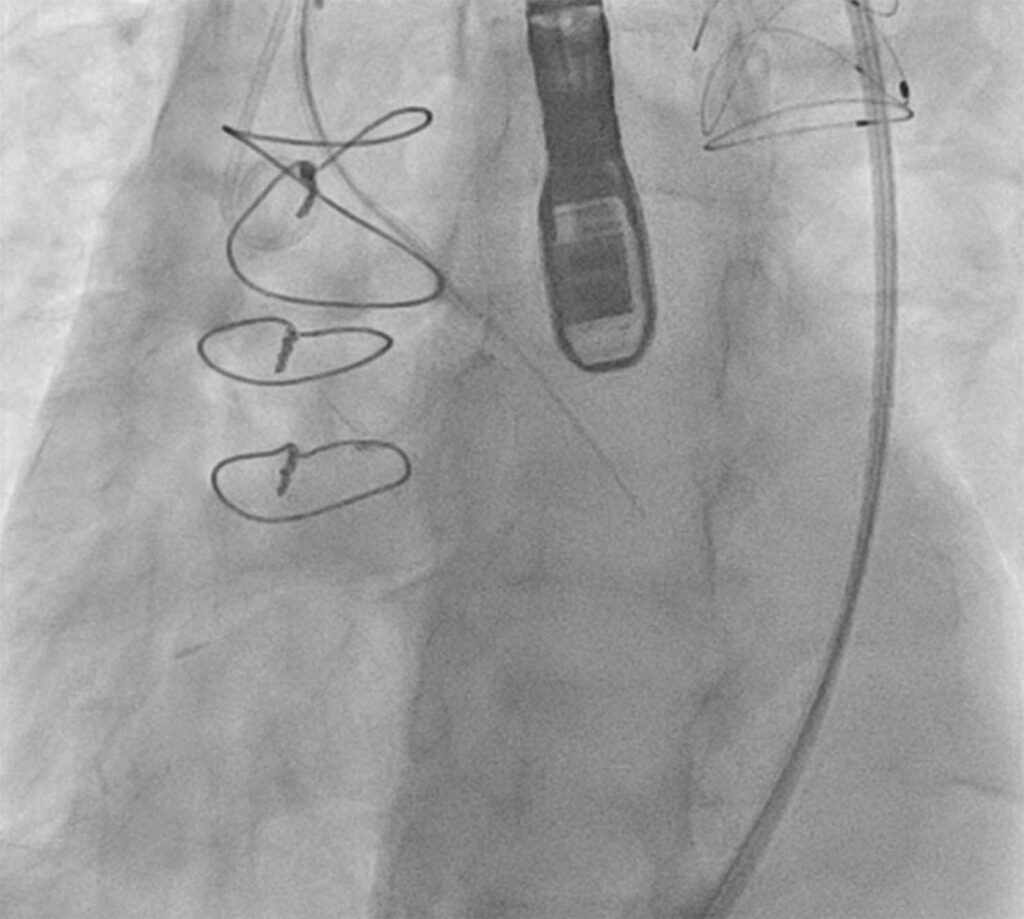
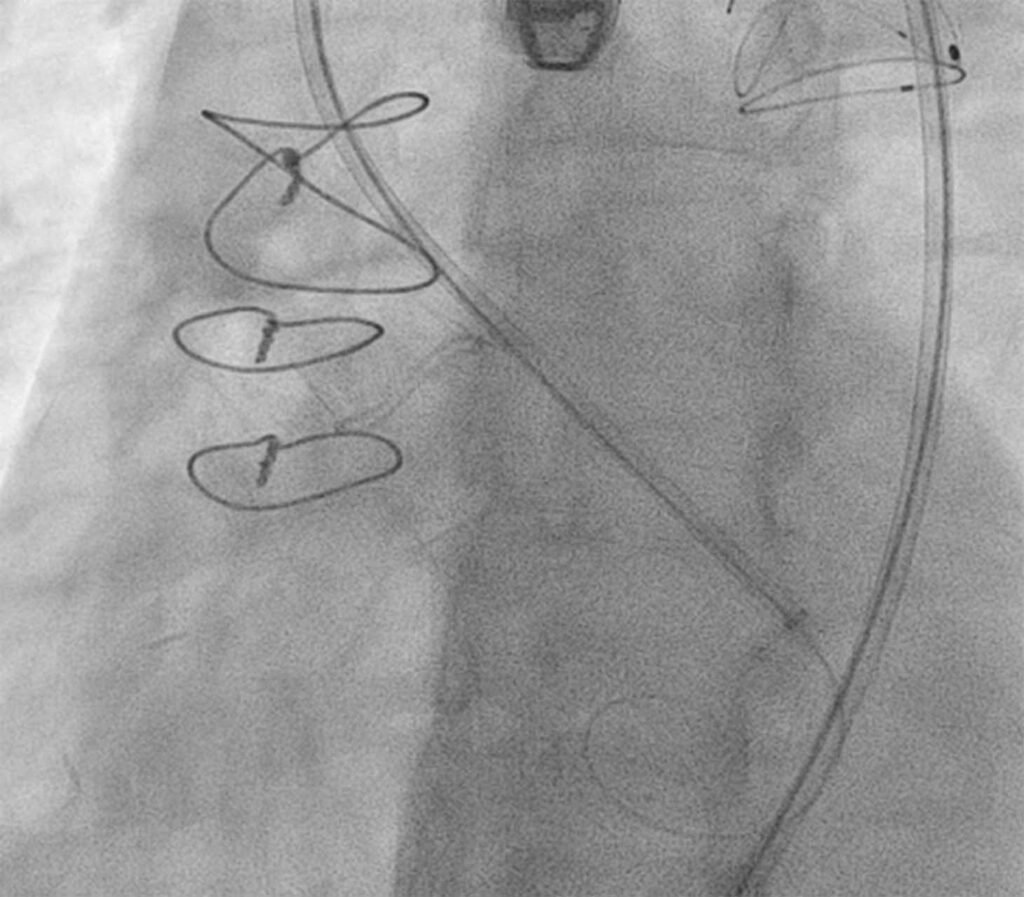
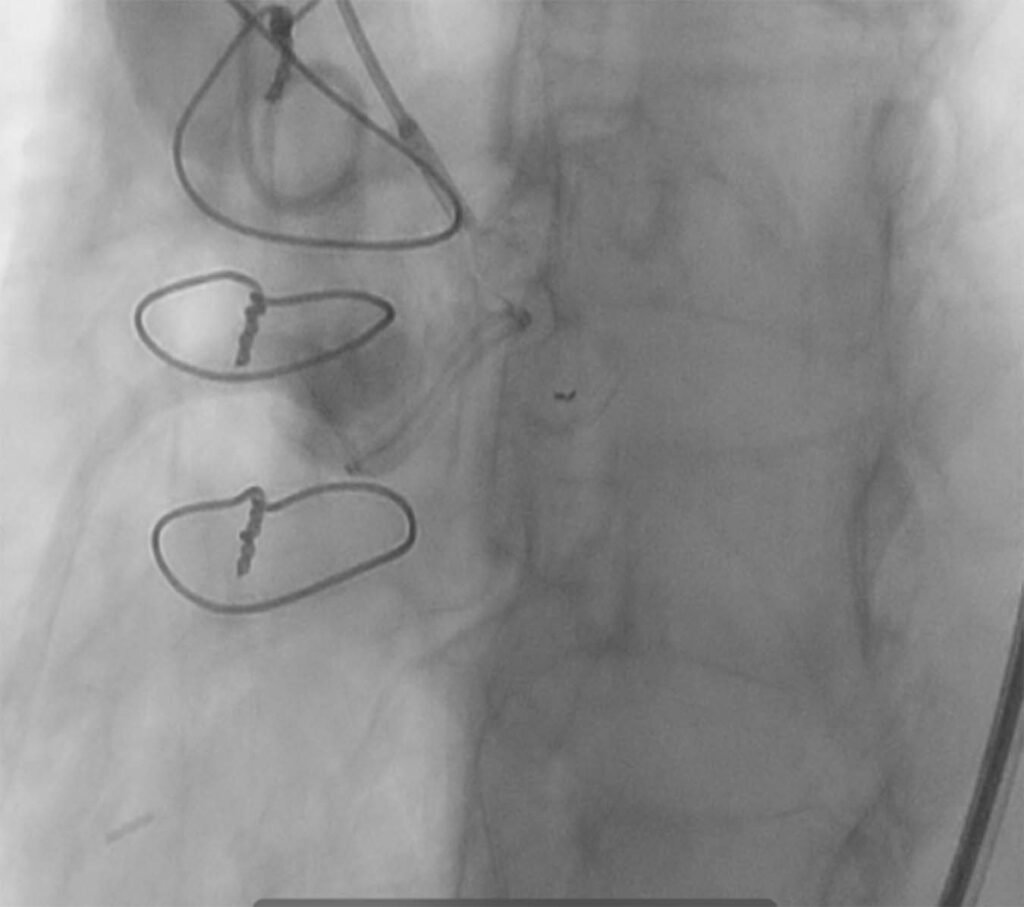
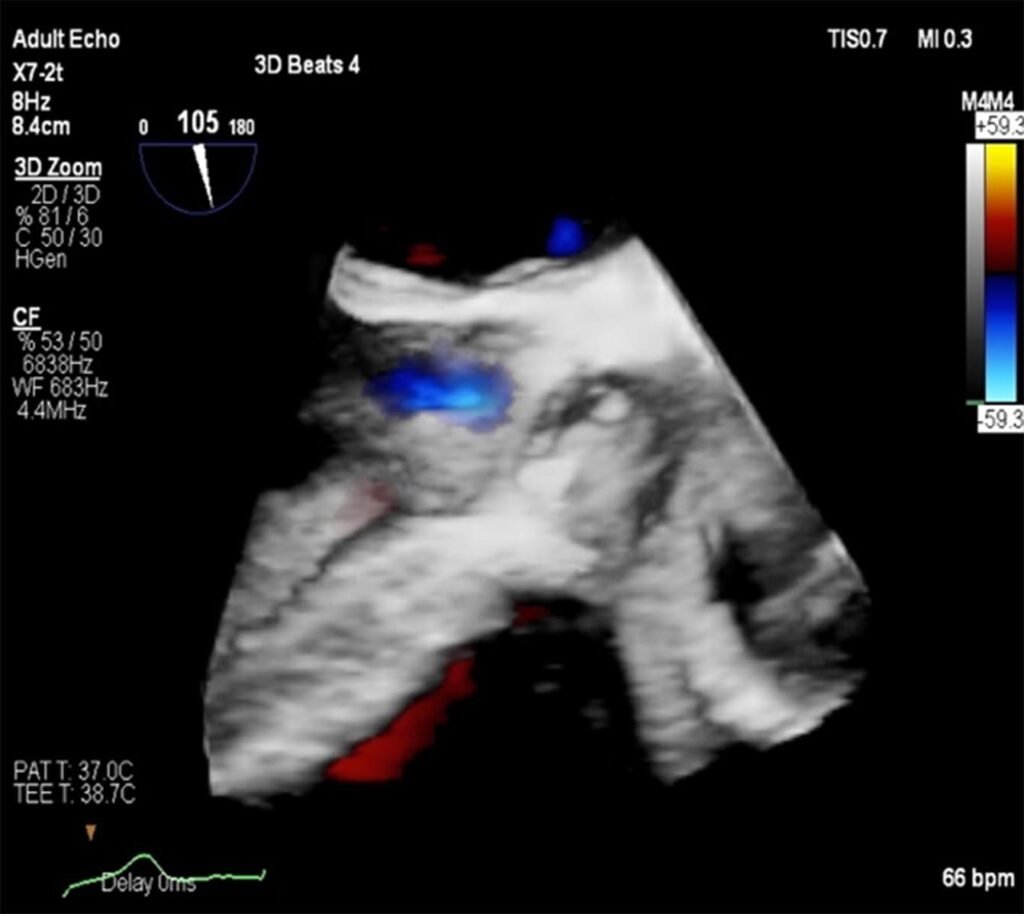
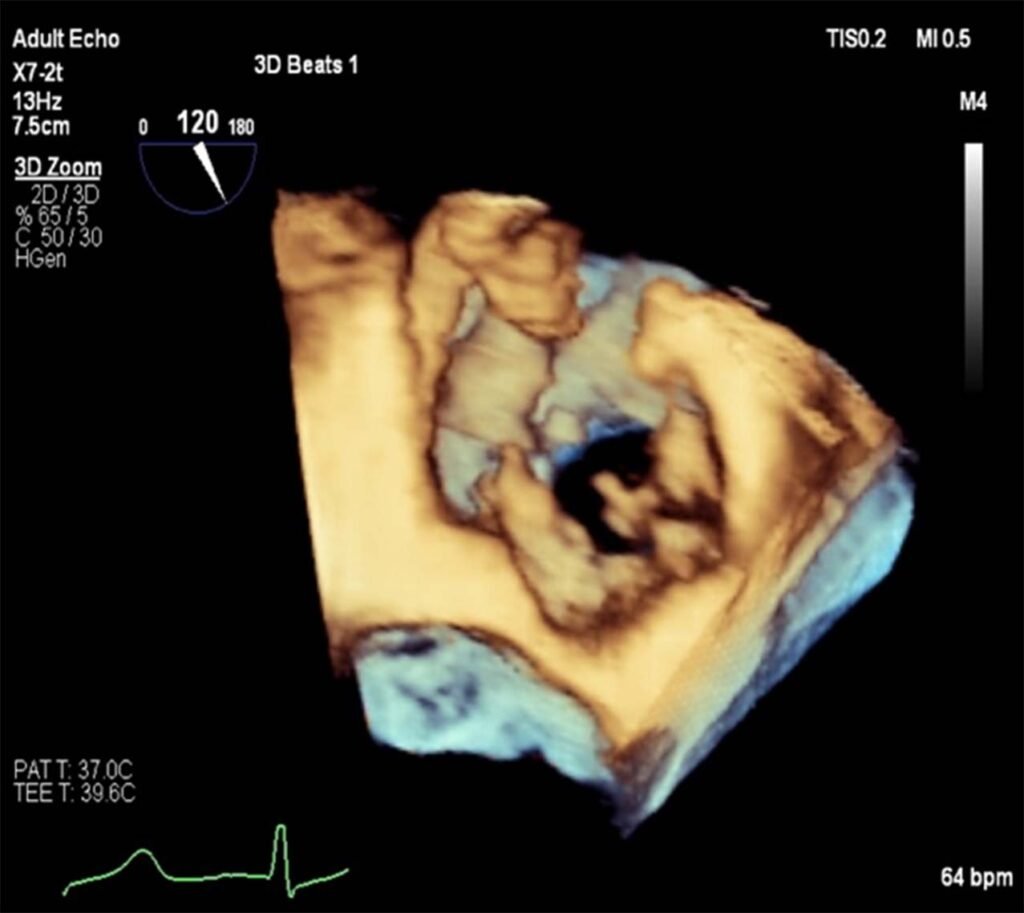
The procedure was performed under general anaesthesia with real-time transoesophageal echocardiographic guidance. Following right femoral arterial access, contrast aortography was performed using the CT-derived fluoroscopic projection. The PVL was crossed using a 0.035-inch hydrophilic guidewire (Terumo) supported by a 6-Fr AL-1 guiding catheter (Figure 4, 6). Initial advancement of the 7-Fr delivery sheath across the defect was unsuccessful using a standard Teflon exchange wire. After exchange to a Safari Extra Support wire (Boston Scientific), the delivery sheath was successfully advanced (Figure 7). An 8 × 4 mm wide-waisted Occlutech PLD was then successfully deployed under combined fluoroscopic and three-dimensional TOE guidance (Figure 8-11). Following deployment, the residual paravalvular regurgitation was markedly reduced without immediate procedural complications.
3 RESULTS
The patient was discharged 72 hours after the procedure on lowdose oral diuretic therapy and remained symptom-free throughout 8 months of follow-up. Laboratory evidence of haemolysis improved substantially, with lactate dehydrogenase decreasing from 1520 U/L to 743 U/L and haemoglobin increasing from 8.9 g/dL to 10.0 g/dL after six months. The patient no longer required blood transfusions. Follow-up echocardiography at six months demonstrated stable device position with minimal residual paravalvular regurgitation (Figure 12).
4 DISCUSSION
Transcatheter paravalvular leak closure has become an established minimally invasive treatment for patients with symptomatic prosthetic valve dehiscence, particularly those presenting with heart failure or haemolytic anaemia. Compared with congenital septal defects, PVLs frequently exhibit irregular, crescentic morphology with complex, tortuous channels, making device sizing, positioning, and complete defect sealing technically challenging.5 Dedicated PVL occluders are specifically designed to accommodate these complex anatomical characteristics, providing improved conformability and sealing compared with non-dedicated occlusion devices.
The use of non-dedicated occlusion devices remains common in many regions where dedicated PVL occluders are not readily available or lack regulatory approval. In a recent single-centre series of 64 transcatheter PVL closure procedures using non-dedicated devices, procedural success reached 93.8%; however, 14 procedures required implantation of more than one device to achieve satisfactory closure, while three defects were considered unsuitable for stable device deployment. Conversely, dedicated PVL occluders have demonstrated high procedural success and favourable mid-term outcomes in prospective registry data. These findings support the use of purpose-built PVL occluders for anatomically complex defects.6, 7
However, the larger delivery profile of dedicated devices introduces its own technical challenges and limitations. We faced difficulty advancing the 7-French delivery system across the defect channel, until a stiffer support wire was utilized. Maintaining an indwelling left ventricular support wire carries potential risks, including ventricular perforation and arrhythmias. The condition may be even more demanding if larger devices are required, sizing the delivery sheath up to 9 French. However, the deployment process was mostly predictable under imaging guidance.
Despite the favourable procedural and clinical outcomes, this report represents a single-case experience with relatively short follow-up. Longer-term surveillance is required to evaluate device durability, residual regurgitation, prosthetic valve interaction, and long-term clinical outcomes. Nevertheless, this case represents one of the earliest Malaysian experiences using the dedicated Occlutech PLD for transcatheter aortic PVL closure and demonstrates the feasibility of this approach in a complex redo-aortic patient. Broader availability of dedicated PVL devices may further improve procedural success and clinical outcomes in the region.
5 CONCLUSION
Transcatheter closure of prosthetic aortic paravalvular leak using the dedicated Occlutech PLD Occluder was technically feasible and was associated with favourable early clinical outcomes. Careful multimodality imaging, meticulous procedural planning, and the use of a purpose-built PVL occluder were key contributors to procedural success in this complex redo-aortic patient.
REFERENCES
1. Papadopoulos GE, Ninios I, Evangelou S, Ioannides A, Ninios V. Transcatheter Paravalvular Leak Closure: A Step-by-Step Guide. J Cardiovasc Dev Dis. 2026;13(2):96. CrossRef Pubmed
2. Guner A, Kalçık M, Ozkan M. Transcatheter paravalvular leak closure—insights on selection criteria, imaging, and comparative outcomes. EuroIntervention. 2026. CrossRef Pubmed
3. Giblett J, Jara T, MacCarthy T, et al. Transcatheter Versus Surgical Management of Paravalvular Leak: A Single-Center Experience With Purpose-Specific Occluders. JACC Cardiovasc Interv. 2022;15:1293–1295. CrossRef Pubmed
4. Bhardwaj R, Sandhu S, Rao S. Device Closure of Aortic Paravalvular Leak. ASEAN Heart Journal. 2023;32(1):5-7. CrossRef
5. Gürsoy MO, Kalçık M, Yesin M, et al. A comprehensive review of the diagnosis and management of mitral paravalvular leakage. Anatol J Cardiol. 2020;24:350-360. CrossRef Pubmed
6. Liu Y, Xu C, Jin P, Zhai M, Tang H, Tian Z, Wen A, Qiao R, Yang J. Transcatheter closure of paravalvular leakage through multiple approaches after surgical mechanical valve replacements: a retrospective study. Medicine (Baltimore). 2024;103(47):e40600. doi:10.1097/MD.0000000000040600. CrossRef Pubmed
7. Smolka G, Pysz P, Kozłowski M, Jasiński M, Gocoł R, Roleder T, Kargul A, Ochała A, Wojakowski W. Transcatheter closure of paravalvular leaks using a paravalvular leak device: a prospective Polish registry. Adv Interv Cardiol. 2016;12(2):128-134. doi:10.5114/aic.2016.59363. CrossRef Pubmed
Copyright Information